

island cooker extractor of an Island Cooker Hood
If your kitchen has an island cooktop, it's crucial to have a high-performing cooker hood to extract cooking fumes and odours. These hoods are suspended from the ceiling and make a trendy, popular feature of your kitchen.
CFM (cubic feet per minute) ratings are a helpful guide, however personal testing and observation are also essential.
Extraction
A cooker hood is an essential piece of kitchen devices that helps to filter out smoke, cooking fumes and air-borne grease particles. This not just makes your home odor cleaner, but it can likewise enhance the overall air quality in your house. Whether you select a ducted or recirculating model, it's essential that your extraction hood is properly sized for your range and has enough power to do its job.
As well as examining the size and power of your cooker hood, you must think about how it operates. It is an excellent concept to choose a hood that draws out the air, venting it outside and not recirculating it back into the room. If you choose a ducted hood, your kitchen needs to have access to an external vent, and it is recommended that the ducting be as brief and straight as possible, otherwise you will lose around 25m3 of extraction capacity per metre of ducting.
Additionally, you might go with a downdraft extractor. This sits beneath your hob and rises out of the worktop when it's in use, which can include to the visual appeals of your kitchen. It's crucial to check the decibel score of your hood, though, as this will affect its noise levels when it functions. If you are intending on hosting supper parties or household parties, you will wish to keep the decibel ranking below 60dB so that you can hold a discussion without being disrupted.
For a more discreet option, you might choose an integrated or built-in canopy hood. These fit underneath your wall unit and conceal the ducting within your cabinets, which can be particularly beneficial in a small kitchen. If you are trying to find an efficient, quiet hood with lots of power, watch out for models that use low fan speeds and sound reduction functions such as insulated motors, sound-absorbing products or vibration dampening technology.
Lights
Many island cooker hoods include integrated LED lighting to light up the cooking area. They are available in a large range of colors, and you can pick the one that best matches your kitchen style. This function makes cooking more satisfying and sociable. It also assists decrease eye fatigue while operating in the kitchen. If you desire a more intricate lighting setup, it is advisable to work with an electrical expert or kitchen designer to help strategy and install it for you.
Most island extractor fans are fitted with filters that capture and trap odours, steam, smoke, and grease particles. The filters must be cleaned regularly to guarantee optimal effectiveness. To clean up the filters, you will require to open up the cooker hood and remove them from inside. The filters can be easily wiped tidy with water and some dishwashing liquid. Some designs likewise have indicators that inform you when the filters need to be replaced.
A timer function on an island cooker hood can be especially beneficial in hectic families. You can set a specific time for the hood to shut off, which comes in convenient when you are working with foods that produce a great deal of smoke and steam. The timer button is usually located on the control panel or a remote controller.
Depending on the model of island cooker hood you have, it might have the ability to support different extraction speeds and settings. This indicates that you can set the hood to work at a lower speed for daily cooking, or increase the suction for much heavier jobs such as boiling and frying. Some hoods even offer a boost mode, which can momentarily increase the power of the extraction system for a minimal quantity of time.
An island cooker hood can be linked to a ducting system that directs dirty air outside or a recirculating system that recycles the contaminated air with charcoal filters before returning it to the kitchen. If you select a ducted installation, it is essential to examine your local laws before making any changes to your home ventilation systems.
Setup
Many house owners select to set up island extractor fans due to the fact that they're a stylish way to keep cooking areas odour-free, helping to preserve healthy indoor air quality. They likewise make a terrific style statement, adding the perfect finishing touch to your contemporary kitchen.
Nevertheless, they're more made complex to install than wall-mounted hoods, as they should be suspended from the ceiling and often require adjustments to your home's ventilation system. This can increase the total cost of an island cooker hood, specifically if you require to work with specialists to handle the complex job.
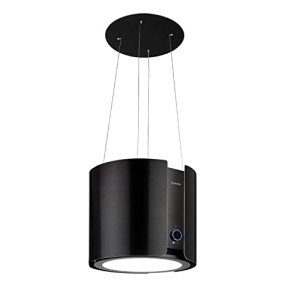
They're normally bigger than wall-mounted hoods, too. This suggests they take up more area, making them less appropriate for smaller sized spaces. They're also louder, as they need to work harder to extract air from your kitchen. If you're concerned about noise, a ducted range hood might be a better option for your kitchen.
Island range hoods can be installed in new and existing cooking areas, but they're best fit for kitchen areas that have an open idea design. They're designed to sit above your range and are readily available in a variety of styles and finishes, permitting you to discover the right alternative for your kitchen. The most popular alternative is a stainless steel island hood. These are created to complement your kitchen's decoration and are simple to clean.
The perfect place for an island vent hood is 24-inches to 36-inches above the cooktop or range. This is the very best place to prevent it from triggering disturbance with cooking vapors. It's crucial to consider the optimum vent length for your kitchen when setting up a hood, as some states and cities have guidelines on how long you can run ductwork in your home.
Most island hoods are developed to tire to the outdoors, but they can also be transformed to recirculating models utilizing charcoal filters. This is a great alternative if you don't have enough room to accommodate a duct for your kitchen.
If you're thinking about installing an island range hood, it's finest to speak with the hood's handbook for comprehensive info and requirements. It's likewise a great concept to have an expert do the installation, as it can be extremely difficult to work with ductwork and electrical wiring.
Upkeep
The cooker hood surface area and the important filters need to be cleaned regularly to prevent greasy build up that impacts their efficiency. It is easy to do this using specialist cleansing products and a soft cloth. Constantly utilize a fabric that works with the product your cooker hood is made from. For example, if your cooker hood is stainless-steel, a soft fabric such as a jay-cloth or a sponge will not mark the surface area. There are a number of cleansing items developed specifically for use on stainless-steel that you can buy from home stores. A great one to attempt is the AEG steel care spray that cleans, polishes and secures the surface of your stainless-steel hood.
Alternatively, you can use an alcohol-based option such as methylated spirits or vinegar. If you have a glass cooker hood, you can likewise clean it with the exact same sort of traditional window cleansing detergent that you would normally use for your kitchen windows. For tougher discolorations on the surfaces of your hood, a soft tooth brush can be a perfect tool for entering corners and hard-to-reach locations.
Cooker hood filters are normally made from aluminium mesh. These are very simple to tidy and can be soaked in a combined option of water and dishwashing liquid to eliminate any grease that has developed up on the surface. It is recommended that you clean these every 3 months to avoid a build-up of grease that can result in more pricey obstructing problems with your extractor fan.
Ductwork is another crucial part of an island hood that requires to be frequently cleaned. This is specifically crucial for ducted designs that are connected to an exhaust vent through which air is vented to the beyond your home. You need to make certain that the ductwork is correctly fitted and routed to the outdoors so it is not obstructed by dirt or other particles.
Lastly, it is likewise important to regularly clean up the splashback that surrounds your cooking location. This can be quickly made with a mix of warm water and soapy water, and the usage of paper towels to dry it later. This will avoid acidic foods like tomato from discolouring or permanently marking the glass and will keep your kitchen looking hygienic and trendy.